Bible Verses About Clothing, Identity and Expressing Your Faith
Explore what the Bible says about clothing, identity, modesty and expressing your faith. These important verses show why character matters more than appearance while helping Christians make thoughtful clothing choices.
Published 12 August 2026
Clothing is part of how we present ourselves to the world, but the Bible repeatedly reminds us that our identity reaches much deeper than our outward appearance.
Scripture discusses clothing in several different ways. Some passages address modesty and humility, while others use clothing as a powerful picture of character, spiritual renewal and our identity in Christ.
These Bible verses can help Christians think carefully about what they wear, why they wear it and how clothing might express faith without becoming the centre of it.
What does the Bible say about clothing?
The Bible does not provide Christians with one universal wardrobe or a detailed list of approved styles. Instead, it offers principles that can guide our choices.
These principles include modesty, wisdom, humility, consideration for others and a clear understanding that our value does not come from our appearance.
Clothing can be practical, creative and personally meaningful. However, Scripture encourages us to pay even greater attention to the character we demonstrate through our words, decisions and treatment of other people.
1 Samuel 16:7: God looks at the heart
In 1 Samuel 16:7, Samuel is reminded that people naturally look at outward appearance, while God looks at the heart.
This is one of the clearest biblical principles to remember when thinking about clothing and identity. Appearance can influence first impressions, but it does not reveal the full character, faith or worth of a person.
A carefully styled outfit does not make someone more faithful, just as simple clothing does not automatically make someone more humble. God’s attention reaches beyond presentation to our intentions, values and actions.
For Christians, this means clothing can express part of who we are without being allowed to define our value.
Colossians 3:12: Clothe yourself with Christian character
Colossians 3:12 tells believers to clothe themselves with compassion, kindness, humility, gentleness and patience.
Here, clothing becomes a picture of the qualities Christians should intentionally carry into everyday life. Just as we choose what to put on physically, we are encouraged to practise these characteristics deliberately.
This passage shifts the focus away from what people can see immediately and towards how faith affects our behaviour.
A Christian message on a T-shirt may communicate something important, but compassion, humility and patience demonstrate that message through action.
Galatians 3:27: Clothed with Christ
Galatians 3:27 describes those who belong to Christ as having “put on Christ” or become clothed with Christ.
This does not refer to physical clothing. It describes a new identity and a life shaped by a relationship with Jesus.
The verse helps place faith-based clothing in the correct perspective. A person’s Christian identity does not come from wearing a cross, a Bible verse or a faith-inspired design. Those things may express belief outwardly, but the identity itself comes from faith.
Christian clothing is therefore best understood as an expression of identity rather than the source of it.
Proverbs 31:25: Strength and dignity as clothing
Proverbs 31:25 describes a woman as being clothed with strength and dignity.
Once again, Scripture uses clothing to represent qualities of character. Strength and dignity are presented as things that surround her and influence how she approaches the future.
This verse is often used on Christian clothing because its message is encouraging and memorable. Its deeper meaning, however, is not about displaying a phrase. It celebrates character, resilience, wisdom and confidence grounded in something more lasting than appearance.
The verse can remind both the wearer and the people around them that real strength is demonstrated through how we live.
Ephesians 4:22-24: Putting on the new self
Ephesians 4:22-24 uses the actions of taking off and putting on clothing to explain spiritual change.
Believers are encouraged to leave behind their former way of living, be renewed in their thinking and put on the new self. The image presents faith as something that should produce a visible difference in conduct and character.
This is an important principle for anyone interested in expressing Christianity outwardly. A visible message carries greater meaning when it is supported by the way the wearer behaves.
Faith is not simply something printed onto the surface. It should influence how we speak, work, forgive and respond to others.
1 Peter 3:3-4: Character over outward appearance
In 1 Peter 3:3-4, Christians are encouraged not to base their worth entirely on outward adornment. The passage places greater value on the inner person and a gentle, peaceful spirit.
This does not mean that caring about clothing, hair or personal presentation is automatically wrong. The warning is about allowing external appearance to become the primary source of identity or value.
Fashion changes quickly. Character, integrity and spiritual maturity have much greater lasting importance.
Christians can enjoy clothing and develop a personal style while remembering that appearance should never become more important than who they are becoming.
1 Timothy 2:9-10: Modesty and good works
1 Timothy 2:9-10 discusses respectable clothing, modesty and self-control. It contrasts an excessive focus on appearance with a life recognised by good works.
Modesty is sometimes reduced to a list of rules about individual garments. In its wider biblical context, it also involves humility, wisdom and avoiding the use of appearance purely to display wealth, status or superiority.
Applying this principle requires honest personal judgement. Christians may reach different conclusions about particular styles, but the underlying questions remain useful:
- Why have I chosen this outfit?
- Does it suit the setting I am entering?
- Am I comfortable with the message it communicates?
- Am I placing too much of my identity in how I appear?
- Does my conduct support the faith I express?
Matthew 6:28-33: Do not be consumed by what you wear
In Matthew 6:28-33, Jesus points towards the lilies of the field while teaching about worry, clothing and trusting God.
The passage does not say that clothing is unimportant or that planning what to wear is wrong. It addresses anxiety and misplaced priorities.
Clothing is a real need, but it should not consume us or become the foundation of our security. Jesus directs attention towards trusting God and seeking His kingdom first.
This principle can be particularly valuable in a culture where trends, brands and social media often encourage constant comparison.
Isaiah 61:10: Garments of salvation
Isaiah 61:10 uses the imagery of garments to describe salvation, righteousness and joy in God.
The verse presents clothing as a symbol of something God provides rather than something people achieve through appearance. It communicates celebration, restoration and a changed spiritual position.
This is one reason clothing imagery appears so frequently throughout Scripture. What someone puts on can represent identity, responsibility, protection or transformation.
Micah 6:8: Faith expressed through how we live
Micah 6:8 does not speak directly about clothing, but it provides an essential balance to any discussion about expressing faith outwardly.
The verse calls people to act justly, love mercy and walk humbly with God.
A Christian T-shirt may begin a conversation or provide encouragement, but biblical faith is most clearly expressed through justice, mercy and humility. The clothing can communicate the message; our actions give that message credibility.
Can Christians express their faith through clothing?
Christians can use clothing as one way of expressing something meaningful about their beliefs. A faith-based design might offer encouragement, provide a personal reminder or lead to a conversation that would not otherwise have happened.
However, wearing Christian clothing is a personal choice rather than a measure of someone’s faith. Some people prefer bold messages, while others choose subtle symbols or clothing without any visible religious reference.
Neither approach automatically indicates the depth of a person’s beliefs.
The most important considerations are the message being communicated, the intention behind wearing it and whether the wearer’s conduct reflects the values represented by the design.
Choosing a Bible verse for Christian clothing
If you are choosing clothing featuring Scripture, consider the complete meaning and context of the verse rather than selecting words only because they look appealing.
Ask yourself:
- What is happening in the surrounding passage?
- Who was the message originally addressed to?
- Does the design represent the verse accurately?
- What might the message communicate to someone unfamiliar with it?
- Am I prepared to discuss its meaning if someone asks?
A verse carries more meaning when it is understood rather than treated purely as a slogan.
Short phrases can still be powerful, but learning their biblical context helps prevent Scripture from being misunderstood or reduced to decoration.
Faith-based clothing without a printed Bible verse
Christian clothing does not always need to display a direct Bible quotation.
A design might use a symbol, an original phrase or a message inspired by a wider biblical principle. It might also express faith through the story and values behind the brand.
This can provide a more understated option for someone who wants their clothing to carry personal meaning without featuring a long or prominent quotation.
Faith Over Everything, for example, communicates the decision to place faith above fear, pressure, uncertainty and changing circumstances. You can explore that idea further in our guide explaining what Faith Over Everything means.
Wearing your faith with humility
Visible Christian clothing can attract questions, encouragement and sometimes disagreement. Wearing it with humility means remaining willing to listen and treating other people with respect.
The purpose should not be to present yourself as morally superior. Christian teaching consistently connects genuine faith with love, patience, mercy and service.
If an item of clothing identifies you publicly with Christianity, your response to others becomes part of the message they receive.
Character is the most important thing we wear
The Bible’s references to clothing consistently lead back to a deeper truth: outward appearance matters far less than the person beneath it.
Scripture encourages believers to put on compassion, kindness, humility, strength, dignity and a renewed way of living. These qualities cannot be created by an outfit, but clothing can provide a personal reminder of them.
Christian clothing is most meaningful when the message on the outside is connected to a sincere commitment on the inside.
Explore Christian T-shirts in the UK
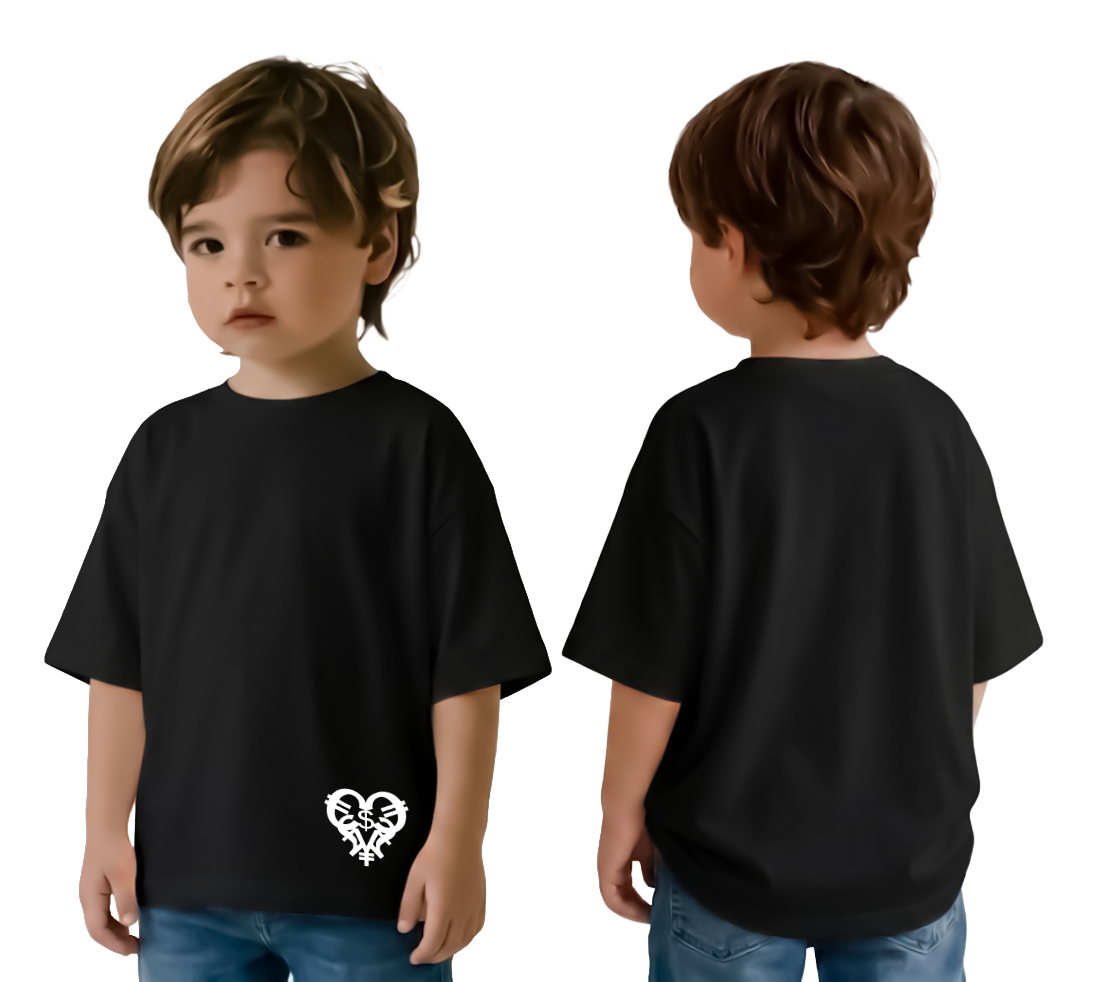
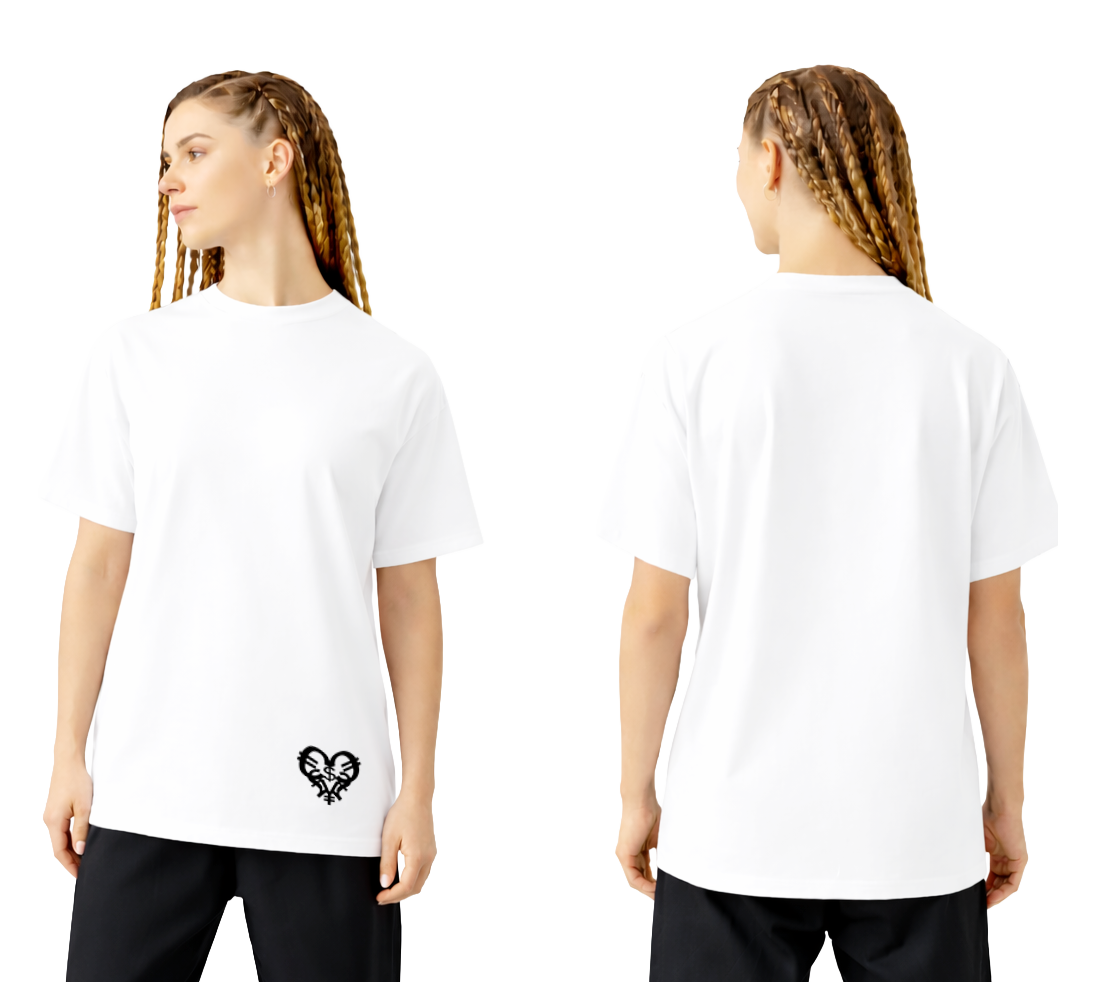
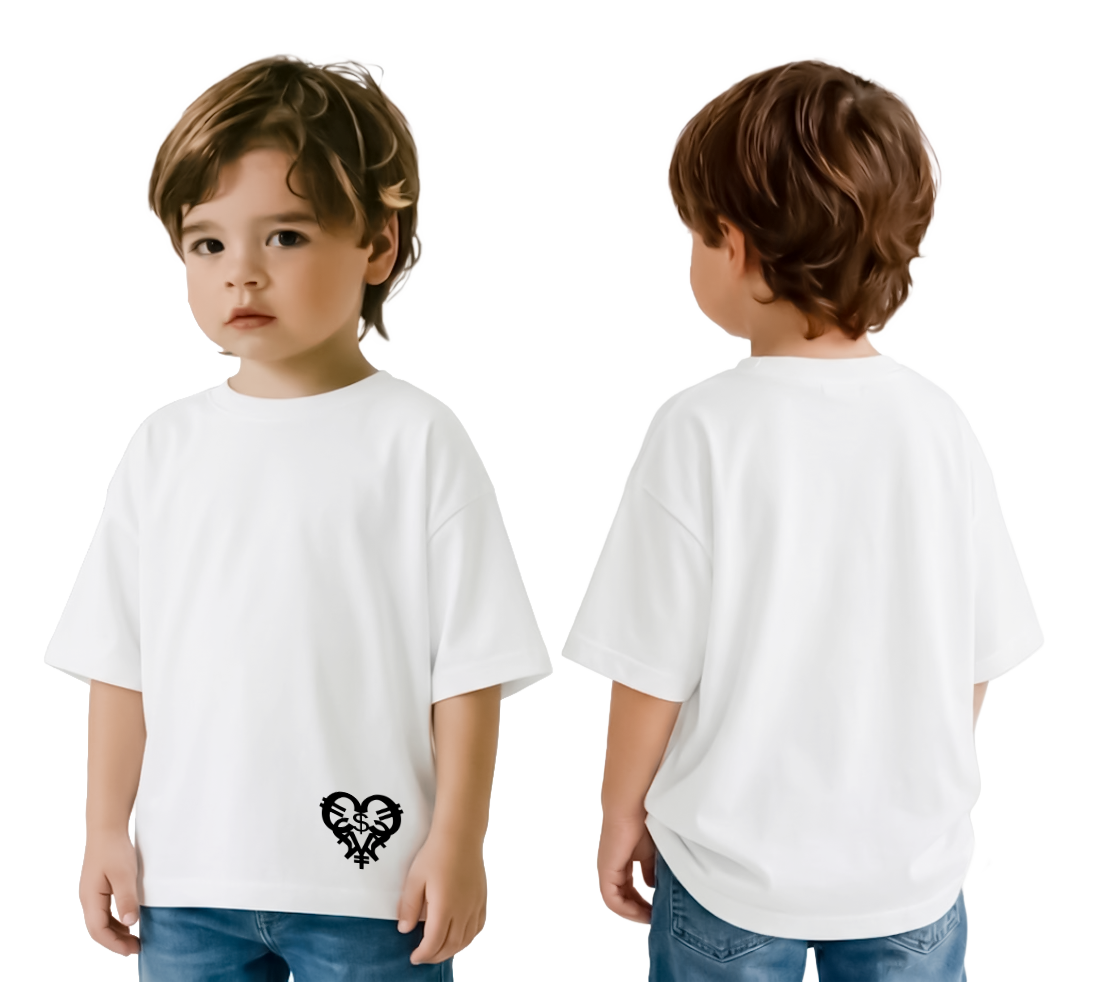
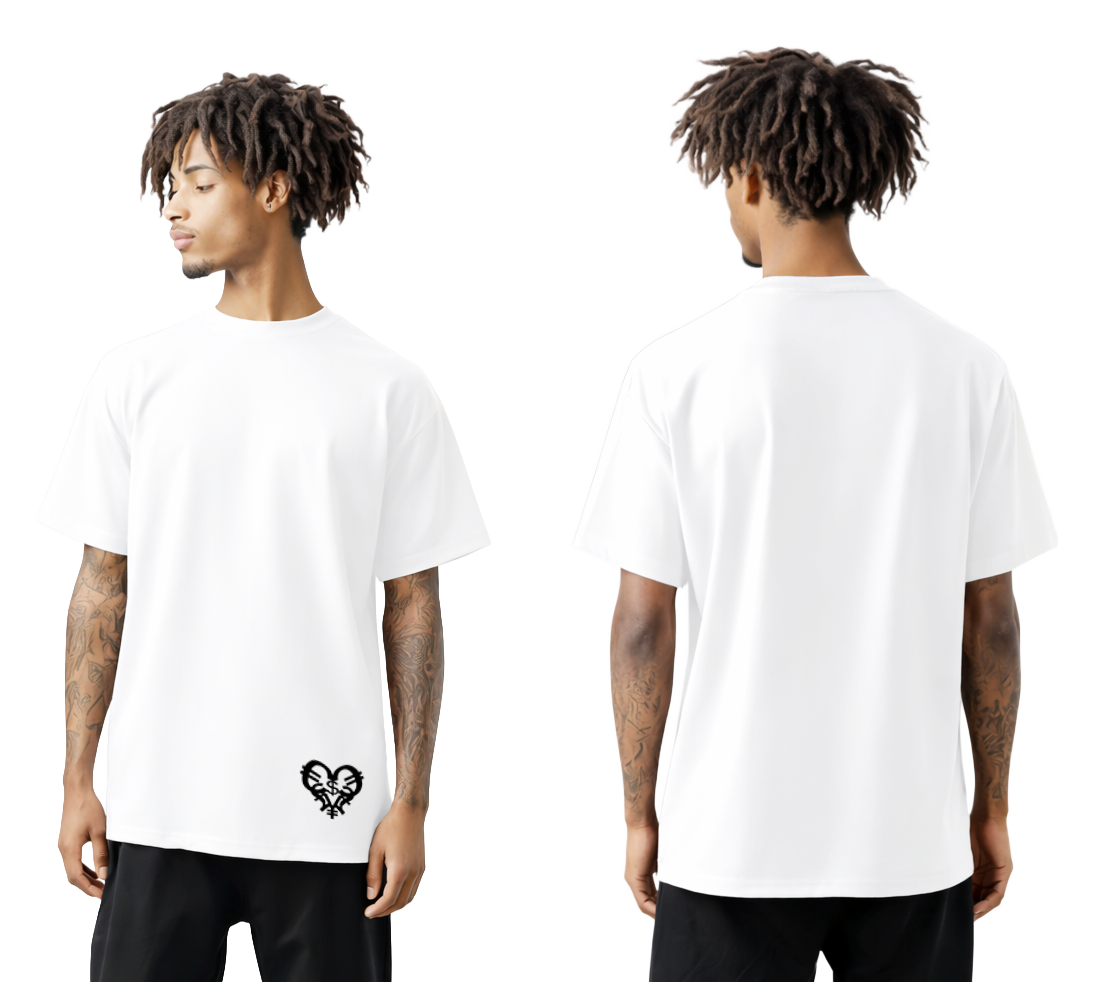
If you are looking for clothing that expresses faith through a modern and wearable design, explore the Faith Over Everything First Drop collection.
You can also read our guide to Christian T-shirts in the UK for help choosing a design, colour and fit, or discover practical Christian T-shirt outfit ideas for everyday wear.
Explore the First Drop Collection
Discover the latest Faith Over Everything pieces, built around belief, restraint and everyday wear.
Shop the First Drop